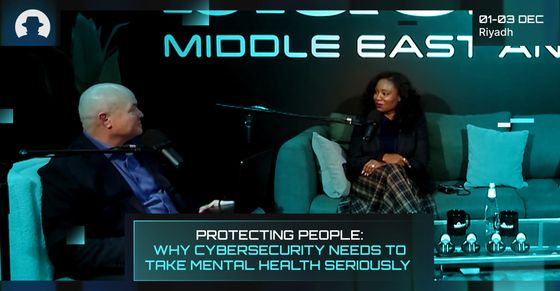
Cybersecurity leaders protect people as well as systems. Learn why Jameeka Green Aaron (CISO at Headspace) believes mental health and burnout prevention are essential to cyber resilience.
In the realm of cybersecurity start-ups, there is a widely held belief that the key to success lies in obtaining investor capital. However, recent data from Crunchbase shows a significant 35% decline in funding, raising the question of whether this belief still holds true.
Neil J. Walsh will discuss various interpretations of cybercrime, divergent regulatory frameworks, and discrepancies in digital forensic capabilities. Ensuring the accuracy of cybercrime reports worldwide poses a significant challenge
Data alone is not intelligence – but unified security systems can build an understanding of context around a piece of data, enabling better threat identification and decision-making.
There’s no globally accepted definition of cyber diplomacy or cyber crime. Developing those cross-border agreements is an important step to enable cooperation and resilience.
Lance James (Founder and CEO at Unit 221B) explains how he first began to integrate the philosophy of Zen into his life, how that translated into his leadership approach, and how the cybersecurity industry could ensure that parents can put their families first.
Stephen Bennett (Global CISO at Domino’s) explains how he became CISO for a major global B2C brand, and the biggest challenges he faces in protecting it.
We explore the benefits of in-person networking: from building stronger relationships to understanding the subtleties of your peers’ body language, it all comes down to trust.