Cybersecurity has a complicated relationship with pressure.
The profession attracts ambitious people who enjoy solving difficult problems. They’ve got to be comfortable making decisions with incomplete information and responding when the stakes are high. Those qualities help security leaders build successful careers – but they can also come at a personal cost.
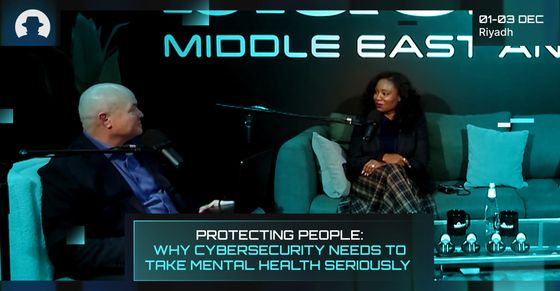
Jameeka Green Aaron (CISO at Headspace) understands that balance better than most. Speaking on the Black Hat MEA podcast, she reflected on the habits that shaped her career, the anxiety that accompanied them, and the lessons she has learned about sustaining high performance over the long term.
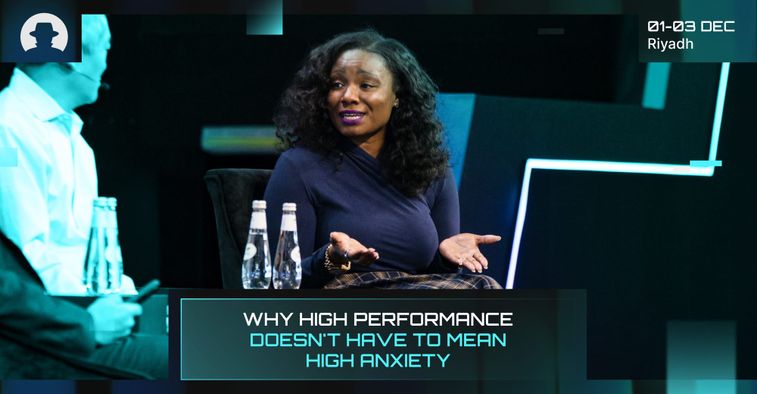
“Being a high achieving person, I have anxiety. These are things that have helped me become a CISO, but you can also be a high achieving person and not have anxiety and really learn how to manage that.”
It's an honest admission from a senior security leader. Anxiety is often treated as an unavoidable consequence of working in cybersecurity, particularly in leadership positions. But Green Aaron thinks ambition and resilience can coexist without constant stress becoming the default.
Recognising the signs
Like many experienced executives, Green Aaron only understood the scale of the problem by looking back.
“I started to see a therapist... I was starting to experience some of that fatigue and burnout from work but I didn't know what it was.”
And her personal experience changed the way she thinks about success.
Cybersecurity professionals are often measured by what they achieve: incidents contained, programmes delivered, risks reduced. Personal wellbeing doesn’t feature on a performance dashboard, even though it influences every decision leaders make.
Green Aaron's experience highlights how easily fatigue can build unnoticed when you’re consumed by the work. By the time you recognise you’re running on empty, you’ve probably been operating that way for months.
The routines Green Aaron describes are powerful in their simplicity. Instead of beginning the day by diving straight into emails and notifications, she deliberately creates space before work takes over.
“It's okay if you go to sleep at night. It's okay if when you wake up in the morning your Slack is not the first thing that you check.”
“I'll wake up in the morning and I will meditate – just five minutes. I also do our company meditation.”
Five minutes doesn’t sound like a dramatic intervention, but it reflects a broader philosophy. High-performing leaders don't necessarily spend every available minute working. They protect the conditions that allow them to perform consistently.
The same thinking continues throughout the day.
“Really, taking 15 minutes to go walk around the block – nothing's going to happen during that time.”
In this industry, where urgency dictates the rhythm of the day, deliberately stepping away can feel counterintuitive. But creating small moments to reset helps you maintain focus when genuine crises arrive.
Giving yourself permission to be human
All of the cybersecurity leaders we’ve met are very driven, passionate people. But you have to take a step back and consider what relationship you really want to have with your work.
“I recognise that my to-do list is always running and so I'm not so hard on myself about the things that don't get done. I give myself a tremendous amount of grace now that I didn't give myself before.”
The work is never truly finished. But if you accept that reality, you can use it to your advantage. Rather than chasing an impossible sense of completion, Green Aaron focuses on maintaining perspective and protecting her capacity to lead.
Experience changes how pressure feels
Perspective also comes with time. Early in a cybersecurity career, every incident is overwhelming. Senior leaders develop confidence through experience.
As Green Aaron explains:
“Things happen – and it's not an if, it's a when. Something's going to happen. The more senior you become in this industry... those incidents don't unravel you anymore.”
If you’re an aspiring CISO, you can take that observation as reassurance. Confidence develops through repeated experience, reflection and learning how to respond without allowing every crisis to become personal. If you’re having a hard time right now, know that it really can get better.
Cybersecurity will always be a demanding profession. But Green Aaron's experience suggests there is another way to navigate that environment. Instead of giving up on the idea of living without constant stress, you can intentionally develop high performance through a combination of sustainable habits, self-awareness, and deciding to step away for long enough to return with a clear head.