Cybersecurity leaders protect people as well as systems. Learn why Jameeka Green Aaron (CISO at Headspace) believes mental health and burnout prevention are essential to cyber resilience.
In the realm of cybersecurity start-ups, there is a widely held belief that the key to success lies in obtaining investor capital. However, recent data from Crunchbase shows a significant 35% decline in funding, raising the question of whether this belief still holds true.
Neil J. Walsh will discuss various interpretations of cybercrime, divergent regulatory frameworks, and discrepancies in digital forensic capabilities. Ensuring the accuracy of cybercrime reports worldwide poses a significant challenge
Data alone is not intelligence – but unified security systems can build an understanding of context around a piece of data, enabling better threat identification and decision-making.
There’s no globally accepted definition of cyber diplomacy or cyber crime. Developing those cross-border agreements is an important step to enable cooperation and resilience.
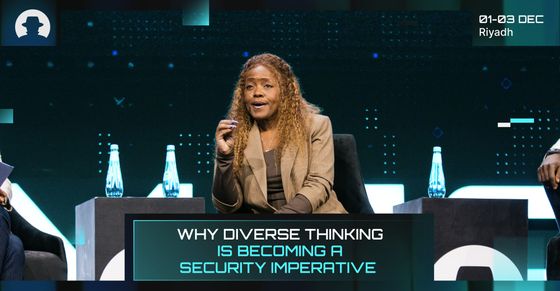
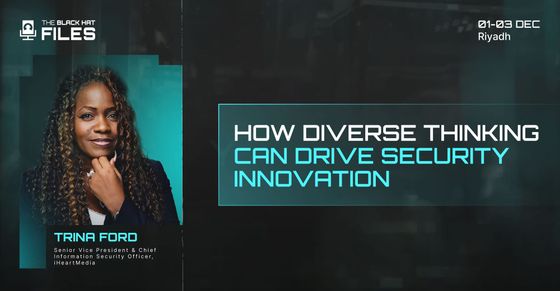
Cybersecurity leader Trina Ford explains why diversity of thought, inclusive leadership, and non-traditional talent are becoming critical to modern cyber resilience and innovation.
What happens when security teams all think the same way? In Episode 3 of The Black Hat Files, Trina Ford explores leadership, resilience and why different perspectives matter in cybersecurity.
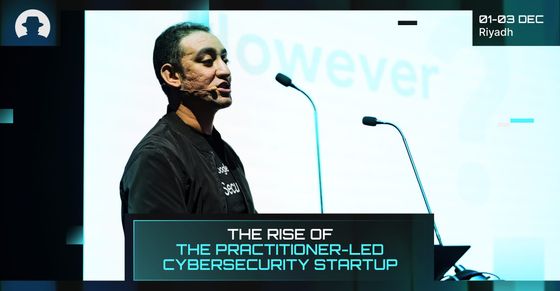
Cybersecurity startups are increasingly building products around practitioner feedback, operational usability and rapid iteration rather than traditional enterprise software models.
Black Hat MEA is evolving into the Middle East’s cybersecurity deal room, where startups, vendors and regional partners are building the future together.